- Contact
- Open Demat Account
-
Trade
-
 Stock Trading
Now trade in ₹9 Per Order or ₹ 999 Per Month Plans.
Stock Trading
Now trade in ₹9 Per Order or ₹ 999 Per Month Plans.
-
 Future & Options
Access F&O contracts with advanced tools for hedging and speculation.
Future & Options
Access F&O contracts with advanced tools for hedging and speculation.
-
 Currency Trading
Trade in major currency pairs and manage forex exposure efficiently.
Currency Trading
Trade in major currency pairs and manage forex exposure efficiently.
-
 Commodity Trading
Diversify Trading with MCX & NCDEX by Trading in Gold, Silver, Base Metals, Energy, and Agri Products.
Commodity Trading
Diversify Trading with MCX & NCDEX by Trading in Gold, Silver, Base Metals, Energy, and Agri Products.
-
 Margin Trading Funding
Boost your buying power with upto 5X, Buy now Pay Later
Margin Trading Funding
Boost your buying power with upto 5X, Buy now Pay Later
-
 Algo Trading
Back test, Paper Trade your logic & Automate your strategies with low-latency APIs.
Algo Trading
Back test, Paper Trade your logic & Automate your strategies with low-latency APIs.
-
 Trading View
Leverage Trading View charts and indicators integrated into your trading platform.
Trading View
Leverage Trading View charts and indicators integrated into your trading platform.
-
 Advanced Options Trading
Execute multi-leg option strategies with precision and insights.
Advanced Options Trading
Execute multi-leg option strategies with precision and insights.
-
 Stock Lending & Borrowing
Earn passive income by lending stocks securely through SLB.
Stock Lending & Borrowing
Earn passive income by lending stocks securely through SLB.
-
 Foreign Portfolio Investment
Enable NRIs and FPIs to invest in Indian markets with ease and compliance.
Foreign Portfolio Investment
Enable NRIs and FPIs to invest in Indian markets with ease and compliance.
-
- Invest
-
 IPO
Invest in upcoming IPOs online with real-time tracking and instant allotment updates.
IPO
Invest in upcoming IPOs online with real-time tracking and instant allotment updates.
-
 Direct Mutual Funds
0% Commissions by investing in more than +3500 Direct Mutual Fund Scheme.
Direct Mutual Funds
0% Commissions by investing in more than +3500 Direct Mutual Fund Scheme.
-
 Corporate FDRs
Earn fixed returns with low-risk investments in high-rated corporate fixed deposits.
Corporate FDRs
Earn fixed returns with low-risk investments in high-rated corporate fixed deposits.
-
 Stocks SIPs
Build long-term wealth with systematic investment plans in top-performing stocks.
Stocks SIPs
Build long-term wealth with systematic investment plans in top-performing stocks.
-
 Bonds & NCDs
Access secure, fixed-income investments through government and corporate bond offerings.
Bonds & NCDs
Access secure, fixed-income investments through government and corporate bond offerings.
-
 Depository Services
Safely hold and manage your securities with seamless Demat and DP services with CDSL.
Depository Services
Safely hold and manage your securities with seamless Demat and DP services with CDSL.
-
- Platform
-
About Us
-
 Journey
Tracing our growth and milestones over time.
Journey
Tracing our growth and milestones over time.
-
 Mission & Vision
Guided by purpose, driven by long-term vision.
Mission & Vision
Guided by purpose, driven by long-term vision.
-
 Why RMoney Platform
Smart, reliable platform for all investors' needs.
Why RMoney Platform
Smart, reliable platform for all investors' needs.
-
 Management
Experienced leadership driving strategic financial excellence.
Management
Experienced leadership driving strategic financial excellence.
-
 Credentials
Certified expertise with trusted industry recognition.
Credentials
Certified expertise with trusted industry recognition.
-
 Press Release
Latest company news, updates, and announcements.
Press Release
Latest company news, updates, and announcements.
-
 Testimonials
Real client stories sharing their success journeys.
Testimonials
Real client stories sharing their success journeys.
-
 7 Reasons to Invest
Top benefits that make investing with us smart.
7 Reasons to Invest
Top benefits that make investing with us smart.
-
 SEBI Registered Research
Trusted insights backed by SEBI-compliant research.
SEBI Registered Research
Trusted insights backed by SEBI-compliant research.
-
 Our Technology
Advanced tools enabling efficient online trading.
Our Technology
Advanced tools enabling efficient online trading.
-
- Resources
-
 Blog
Stay updated with expert insights, market trends, and trading strategies through our informative blogs.
Blog
Stay updated with expert insights, market trends, and trading strategies through our informative blogs.
-
 Video
Learn visually with easy-to-understand videos covering trading concepts, tips, and market analysis.
Video
Learn visually with easy-to-understand videos covering trading concepts, tips, and market analysis.
-
 Podcast
Tune in to insightful discussions and expert opinions anytime, anywhere.
Podcast
Tune in to insightful discussions and expert opinions anytime, anywhere.
-
 Telegram Community
Be part of an active trader community sharing ideas, updates, and market opportunities in real-time.
Telegram Community
Be part of an active trader community sharing ideas, updates, and market opportunities in real-time.
-
 WhatsApp Updates
Get instant alerts, key market updates, and important notifications directly on WhatsApp.
WhatsApp Updates
Get instant alerts, key market updates, and important notifications directly on WhatsApp.
-
 Financial Calculators
Plan your trades, margins, and returns efficiently with our smart calculation tools.
Financial Calculators
Plan your trades, margins, and returns efficiently with our smart calculation tools.
-
 Marketplace
Discover curated tools, strategies, and services designed to enhance your trading experience.
Marketplace
Discover curated tools, strategies, and services designed to enhance your trading experience.
-
- Support
-
 Feedback
Share your suggestions or concerns to help us improve your experience.
Feedback
Share your suggestions or concerns to help us improve your experience.
-
 Downloads
Access important forms, software, and documents in one place.
Downloads
Access important forms, software, and documents in one place.
-
 Locate Us
Find the nearest RMoney branch or service center quickly.
Locate Us
Find the nearest RMoney branch or service center quickly.
-
 Escalation Matrix
Resolve issues faster with our structured support escalation process.
Escalation Matrix
Resolve issues faster with our structured support escalation process.
-
 Back Office
Log in to view trade reports, ledger, and portfolio statements anytime.
Back Office
Log in to view trade reports, ledger, and portfolio statements anytime.
-
 Account Modification
Update personal or bank details linked to your trading account.
Account Modification
Update personal or bank details linked to your trading account.
-
 Fund Transfer
Transfer funds instantly online with quick limit updation to your trading account.
Fund Transfer
Transfer funds instantly online with quick limit updation to your trading account.
-
 Bank Details
View our registered bank account details for seamless transactions by NEFT, RTGS or IMPS.
Bank Details
View our registered bank account details for seamless transactions by NEFT, RTGS or IMPS.
-
How to Apply IPO
Step-by-step guide to apply for IPOs using your trading account.
-
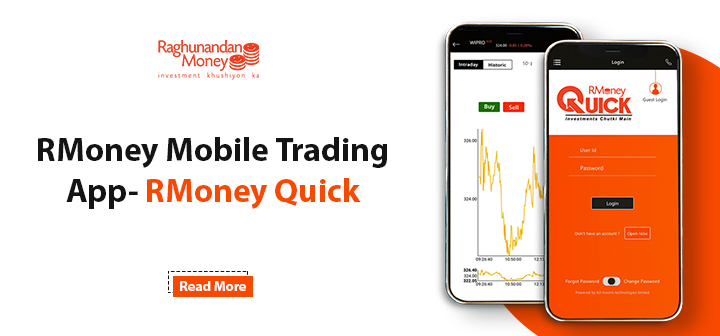
 RMoney Quick Mobile App
Trade on-the-go with our all-in-one mobile trading app.
RMoney Quick Mobile App
Trade on-the-go with our all-in-one mobile trading app.
-
 RMoney Quick login
Quickly access your trading account through the RMoney Quick web-based trading.
RMoney Quick login
Quickly access your trading account through the RMoney Quick web-based trading.
-
 RMoney Rocket Web Version
Experience powerful web-based trading with advanced tools for algo traders.
RMoney Rocket Web Version
Experience powerful web-based trading with advanced tools for algo traders.
-
 RMoney Rocket Mobile Version
Trade anytime, anywhere with our feature-rich mobile trading platform.
RMoney Rocket Mobile Version
Trade anytime, anywhere with our feature-rich mobile trading platform.
-
 Authorised Person Partner with us as an Authorised Person to grow your financial business.
-
 Refer & Earn
Invite friends and earn rewards every time they trade with us.
Refer & Earn
Invite friends and earn rewards every time they trade with us.
-
- Pricing
 Rocket API
Lightning-fast trading API for developers advanced algo traders.
Rocket API
Lightning-fast trading API for developers advanced algo traders.
 XTS Algo
Smart algo trading software for precision trades.
XTS Algo
Smart algo trading software for precision trades.